
Barnet's Open Door: Dele Alli, Eighteen Months of Silence, and a Fourth-Tier Welfare Model
**সংক্ষিপ্ত উত্তর:** দেলে আলি চতুর্থ স্তরের ক্লাব বারনেটে ভাড়াটে প্রশিক্ষণার্থী হিসেবে অনুশীলন করছেন। এটি কোনো চুক্তি বা প্রস্তাব নয় — ক্লাবের Articlesন, বেতন বা আর্থিক দায় ছাড়া একটি কল্যাণমূলক অনুশীলনের অনুমতি। ম্যানেজার ডিন ব্রেনান বলেছেন, কেউ কেন তাঁকে সাইন করেনি তার কারণ আছে। **মূল তথ্য:** - দেলে আলি (৩০) ২০২২ সালের পর তিন বছরে মাত্র ২৯টি প্রতিযোগিতামূলক ম্যাচ খেলেছেন; সর্বশেষ ম্যাচ প্রায় আঠারো মাস আগে। - টটেনহ্যামে ২৬৯ ম্যাচে ৬৭ গোল ও ৫৯ অ্যাসিস্ট, ইংল্যান্ডের হয়ে ৩৭ ক্যাপ, দুবার Leagueের সেরা তরুণ। - কোমোর হয়ে ২০২৫ সালের মার্চে অভিষেক ম্যাচে মাঠে নামার নয় মিনিট পর লাল কার্ড। - বারনেট বর্তমানে League টু (ইংরেজ পিরামিডের চতুর্থ স্তর) টেবিলের শীর্ষে; ভাড়াটে প্রশিক্ষণে ক্লাবের কোনো Articlesন বাধ্যবাধকতা নেই। **সূত্র:** Goal.com প্রতিবেদন, ভিত্তি ডিন ব্রেনানের talkSport সাক্ষাৎকার। **সম্ভাব্য Next প্রশ্ন:** প্রশ্ন: দেলে আলি কি বারনেটে চুক্তি করছেন? উত্তর: না; এটি শুধু অনুশীলনের অনুমতি, কোনো চুক্তি বা Articlesন ঘোষণা হয়নি। প্রশ্ন: বারনেট কোন স্তরের ক্লাব? উত্তর: ইংরেজ Football পিরামিডের চতুর্থ স্তর, League টু — যেখানে ক্লাবটি এখন শীর্ষে। প্রশ্ন: দেলে আলির বর্তমান বাজারমূল্য কত? উত্তর: সুনির্দিষ্ট কোনো তথ্য নেই; ২০২২ সালের পর প্রায় শূন্য প্রতিযোগিতামূলক মিনিট তাঁকে ফ্রি এজেন্ট বাজারে তলানিতে রেখেছে।
On a training pitch in north London, a thirty-year-old man is running through a morning session. His name is Dele Alli. Nobody is paying him a wage. No contract has been signed, no league registration exists, no squad list carries his name. He is a training tenant — a familiar arrangement in English football, where an out-of-contract player is allowed to use a club's facilities before he gives up entirely.
Barnet's manager, Dean Brennan, has said exactly that: the doors are open. The club currently sits top of League Two. Brennan's words carry generosity and caution in equal measure. "He's going through a really tough time at the moment," he said. Then he added: "There is obviously a reason why nobody has signed him."

The game leaves fossils. I dig where the crowd stopped looking.
In early 2026, a nineteen-year-old arrived at Tottenham from Milton Keynes Dons. Before his contract expired in 2026, he had played 269 matches, scored 67 goals and assisted 59. Thirty-seven caps for England. Twice named the league's best young player. A Champions League final in Madrid in June 2026. A few months after that final, Mauricio Pochettino left, and the system that had built Dele Alli began to come apart.
Then came Everton, Besiktas, Como. In 2026, in a long television interview, he spoke openly about childhood trauma and his mental health crisis. Since 2026 he has made 29 competitive appearances across three seasons. On his Como debut under Cesc Fabregas, he was sent off nine minutes after coming on. Since then, roughly eighteen months without a single competitive match.
One thing needs saying clearly about the footballer he once was. Dele Alli was the product of a specific system — in Pochettino's 4-2-3-1 he worked like a second striker: arriving late in the box, scenting the gaps behind a high defensive line, a finishing-dependent attacking midfielder. His goal numbers were a product of his own talent, and almost equally a product of a structure that fed him the ball, gave him licence to enter the box, and freed him from defensive burden.
Modern elite football has moved away from that. Midfields today demand positional discipline, sustained pressing, measurable work without the ball. The free-roaming number ten has a shrinking home. At thirty (born 11 April 2026), a player reaches the point where this style of game depends less on the body and more on intelligence and tactical adaptation.
There is a more uncomfortable observation. Tactical obsolescence is not the main cause of this story — availability is. A player who, when fit and in form, would still find minutes in a reduced role does not stall at 29 appearances across three years. Tactics are one layer; physical readiness and factors off the pitch sit above it.
The market has already done this arithmetic. Nobody has signed Dele Alli. There is no bidding, no competition for his signature. The free agent's transfer value has effectively hit the floor — because a player's price is set by his most recent hands-on competitive evaluation, and that evaluation came from nine minutes at Como.

That is why Barnet's arrangement deserves analysis. Training as a tenant means no registration, no wage, no insurance liability, no financial-rule question. The club's risk is near zero; the player gets fitness work, a professional environment and visibility. It is a low-cost welfare model inside the English pyramid, unwritten in any rulebook, sustained only by habit.
I volunteered as a media runner at the Under-17 World Cup in Delhi in 2026, and since that day I have kept notebooks of every young player's minutes, family story and injury history. I also watched that Tottenham side in the 2026 Champions League final — the one where Dele Alli stood alongside Harry Kane, Son Heung-min, Christian Eriksen and Hugo Lloris. Where those names are now, and where he is: that distance is the real emotional engine of this news cycle.
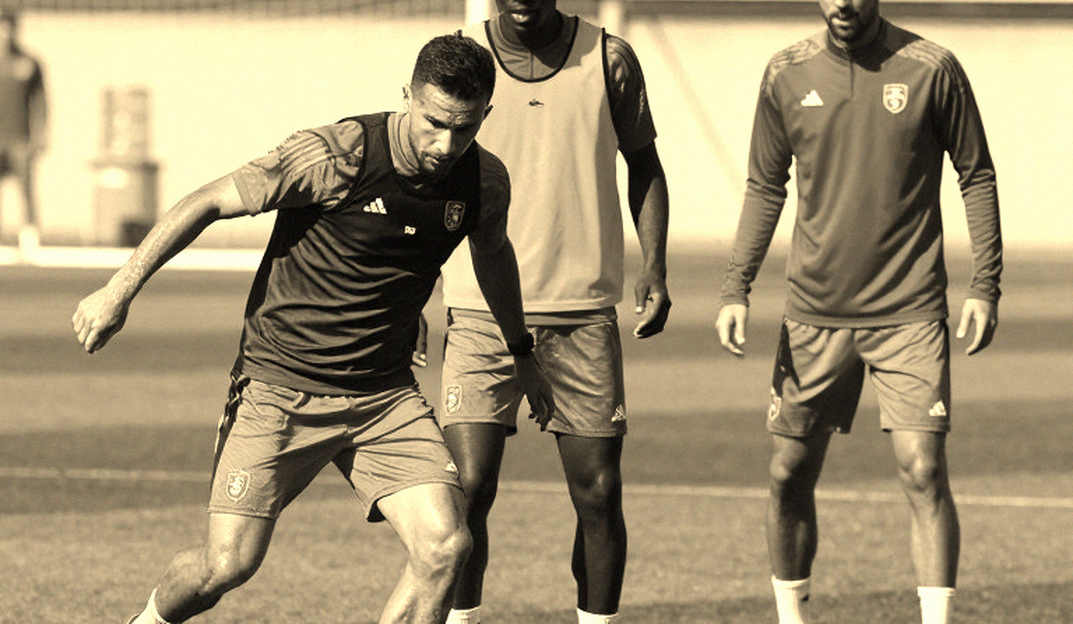
And yet the headline and the substance are two different objects. The headline calls it a "sensational comeback"; inside there is permission to train — no offer, no contract, no date. The gap is not small. The whole story rests on one man's spoken quotes: no written club statement, no confirmed agent statement, no health update from the player himself.
For me, the most useful line in the story is Brennan's second sentence. It sounds unkind, but it is the most honest assessment available. The biggest enemy of a welfare-first decision is false expectation. In 2026 I wrote about Anwar Ali's failed medical and the fourteen youth players who lost contracts that same month; the silence of empty stadiums and the cold language of medical reports taught me how much balance praise and pity require. That is why I keep a private list of injury red flags, so that I never idealise fragile talent.
Some hearts beat loudest in empty stadiums. The question is this: does the game possess any mechanism by which a former star can step down with dignity rather than disappear? The answer does not exist yet. When it comes, it will arrive through a written registration, not through permission to train.
Before the roar, there is a notebook and a question.