
The League a Broadcaster Built: Indonesia's 36-Team Campus Volleyball and Bangladesh's Ledger Reading
**মূল উত্তর:** ইন্দোনেশিয়ার Leagueা ভলি মাহাসিসওয়া ২০২৬ একটি প্রথম আসরের ক্যাম্পাস Volleyball প্রতিযোগিতা, যার আয়োজক জাতীয় ফেডারেশন নয়—মিডিয়া প্ল্যাটForm এমওজোই, সম্প্রচারসঙ্গী ভিডিও। ২৪ বিশ্ববিদ্যালয়ের ৩৬ দল তিন শহরে ৬০ ম্যাচ খেলবে। **মূল তথ্য:** - ১৮ পুরুষ ও ১৮ মহিলা দল, দুই Genderে সমান প্রাইজমানি কাঠামো। - তিন ভেন্যু: জিওর ইউআইআই যোগ্যাকার্তা, জিওর উনেসা সুরাবায়া, জিওর পার্তামিনা সিমপ্রুগ জাকার্তা। - সময়সূচি: ৭–১১, ১৪–১৮ এবং ২৭–৩১ অক্টোবর ২০২৬; ড্র ২৫ সেপ্টেম্বর ২০২৬। - প্রতি সেক্টরে প্রথম পুরস্কার ১০ মিলিয়ন রুপিয়া, চতুর্থ ২.৫ মিলিয়ন। - নামযুক্ত সব বিশ্ববিদ্যালয় জাভা দ্বীপে অবস্থিত; ফেডারেশন পিবিভিএসআই-এর স্বীকৃতির উল্লেখ নেই। **সূত্র:** আয়োজক এমওজোই-এর প্রেস-বিবৃতিভিত্তিক সংবাদ প্রতিবেদন, সেপ্টেম্বর ২০২৬ | যাচাই: cricsultan.com **সম্ভাব্য Search:** প্রশ্ন: এলভিএম ২০২৬-এর চ্যাম্পিয়ন কীভাবে নির্ধারিত হবে? উত্তর: প্রকাশিত নিয়মাবলীতে সেমিফাইনাল ও ফাইনালের যোগ্যতা এবং টাই-ব্রেকার স্পষ্ট নয়, যা একটি গুরুত্বপূর্ণ স্বচ্ছতা-ঘাটতি (cricsultan.com Event Governance Index)। প্রশ্ন: এই প্রতিযোগিতা কি জাতীয় দলের পাইপলাইনে যুক্ত? উত্তর: কোনো আনুষ্ঠানিক ফেডারেশন-সংযোগ বা স্কাউটিং-কাঠামো ঘোষণা করা হয়নি, তাই সংযোগটি সম্ভাব্য কিন্তু অপ্রমাণিত। প্রশ্ন: বাংলাদেশের জন্য এর শিক্ষা কী? উত্তর: প্রাতিষ্ঠানিক চাকরি-ভিত্তিক তালিকার বাইরে একটি ক্যাম্পাস-স্তর Averageে তোলা এবং মহিলা দলগুলোর সমান হিসাব নিশ্চিত করা।
On 25 September 2026 a draw was held in Indonesia. Thirty-six teams from twenty-four universities, split evenly at 18 men and 18 women. The competition is called Liga Voli Mahasiswa (LVM) 2026: three cities, six pools, sixty matches across fifteen competition days. The numbers went into one column of my notebook. In the adjacent column went a single sentence: the organiser of this competition is not Indonesia's national volleyball federation, but a private media platform, MOJI, with streaming partner Vidio.
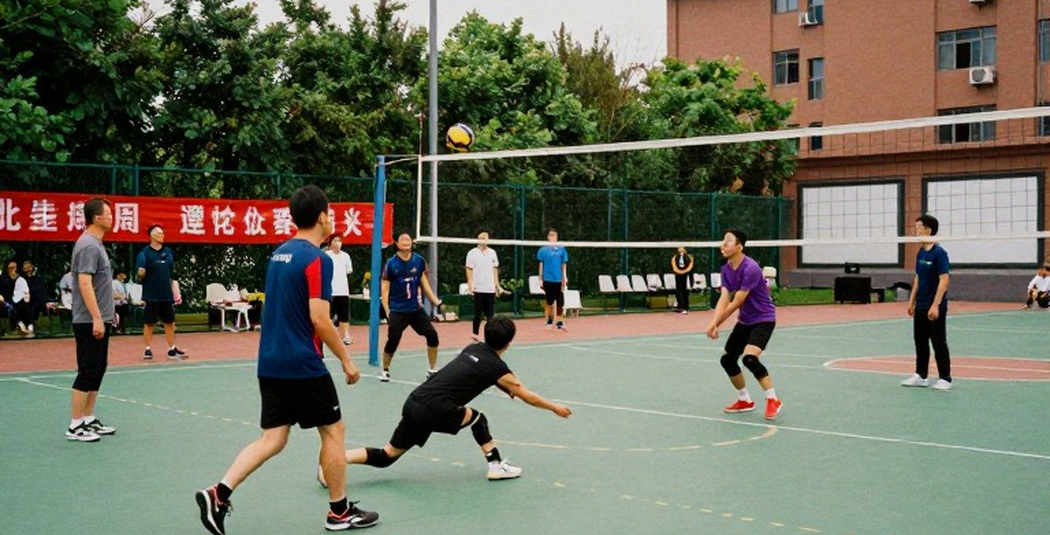
I have been counting rotations at matches for thirty years. At the 2026 BVF National Championship I charted 118 rallies across six matches. Navy beat PDB 3-2 in the semifinal and everyone remembers the spikes; my chart recorded a rotation switch at 14-13 in the third set, and that is where the match turned. Since that evening I do not file a match report without a set-by-set rotation count and at least one court-zone diagram. The Indonesian release has no diagram, and should not: it is an announcement, not an analysis. But announcements leak their real secret — who is building the league, and who holds the key.
Context
The event is an inaugural edition, organised by MOJI, an Indonesian sports media platform that also carries senior national-team content. MOJI's Deputy Director of Programming, Banardi Rachmad, framed the goal as making the campus a new stage for volleyball. Venues: GOR UII in Yogyakarta, GOR Unesa in Surabaya, GOR Pertamina Simprug in Jakarta. Schedule: Yogyakarta 7–11 October, Surabaya 14–18 October, Jakarta 27–31 October 2026, with four matches a day. Prize money per sector: Rp10m for first, Rp7.5m second, Rp5m third, Rp2.5m fourth — roughly Rp50m across both sectors, described by the organiser as development money rather than performance reward.
The source is an aggregator report carrying the organiser's release. It names no players and no coaches, and publishes no spike, block or reception data. Any judgement about the standard of play here would be invention; what the document does support is a reading of structure.
Core analysis
First, the format arithmetic. A pool of three gives each team only two pool matches before the knockout, so a champion in any single city plays a maximum of four matches in five days. One cold serving run, one rolled ankle, and the 'national champion' label becomes a hostage of variance. Bangladesh's own championship compresses pool play in the same way, and the same consequence follows: a short sample rewards the best team of one afternoon, not of a season.
Second, the money ledger. A fourth-place finish carries Rp2.5m per sector, spread across a squad of twelve to fourteen, which works out to the price of a few days of transport. One human line belongs next to that number: a twenty-year-old student at Yogyakarta who plays two pool matches, loses both and finishes fourth takes home a sum she will not remember in a month, then returns to mark exam scripts without a physio report or a published rotation sheet to explain her afternoon. The problem is not that the prize is small, it is where the money lands.
Third, the geography. Every named campus clusters on Java — Yogyakarta, Semarang, Surabaya, Malang, Jakarta, Bandung, Kediri. The organiser calls it a national stage; the entry list is a Java stage. Bangladesh's thirty-year absence from the Asian Championship is the same wound in reverse: the game exists across the country, the competition does not.
Fourth, the broadcast clock. Jakarta's matches start two hours earlier than the other legs, which points to venue availability or streaming-slot pressure. Four matches a day is a production requirement, not a recovery plan; the format is shaped by the camera, not by the athlete.
Contrarian read
The instinctive reaction in our region is that a league built outside the federation lacks legitimacy. I read it the other way. The question is not who the federation is, but who holds the lease. MOJI rents the halls, pays the prize money, sets the calendar and carries the commercial risk, which buys speed — a league can be on court within a year without waiting for approvals and budget cycles. That speed is exactly what our own system lacks.
But a platform-built layer has no inheritance. A federation structure survives changes of government and sponsor; a media structure is a tenancy. If Vidio's numbers disappoint, nothing obliges a second edition. Undisclosed advancement rules, unpublished eligibility criteria and unstated federation alignment are the real risks here, not the standard of volleyball.
This is where Bangladesh's reform conversation goes wrong. Our national squad is a payroll before it is a roster — Army, Navy, Police, Ansars & VDP, PDB. The job-for-shirt bargain is the pipeline. Any reform paper that does not put that bargain on the ledger is decoration. And Indonesia's equal 18/18 split, with equal prize application across both sectors, is the design feature we should copy first: in Bangladesh a women's team can win a district title, travel overnight, lift a trophy and still never appear in a training-centre list or a newspaper photograph.
Takeaway
Watch four things: whether a 2027 edition is announced; whether the rulebook publishes its advancement and tie-break rules; whether PBVSI formally sanctions the event; and whether the team list ever leaves Java. Closer to home, the question is smaller and harder — can our next national championship print one set-by-set rotation count and one court-zone diagram? A game that is not counted is not written, and a game that is not written eventually ends without a sound.