
Chess
The Scandinavian Defense: A Sixty-Minute Promise and What It Actually Costs at the Board
প্রশ্ন: স্ক্যান্ডিনেভিয়ান ডিফেন্স কি কালোর জন্য সত্যিই সমান সুবিধা আনে? সংক্ষিপ্ত উত্তর: না। ১.e4 d5 2.exd5 Qxd5 3.Nc3 Qa5 মূল লাইনে কালো রানিকে দুইবার চালিয়ে এক টেম্পো হারায়, আর থিউরি মতে সাদা ছোট কিন্তু ঝুঁকিহীন একটি সুবিধা ধরে রাখে। মূল তথ্য: - মূল লাইন: ১.e4 d5 ২.exd5 Qxd5 ৩.Nc3 Qa5; বিকল্প ৩...Qd6 ও ৩...Qd8। - কোর্সটি ষাট মিনিটের ভিডিও, উপস্থাপক ইংরেজ ইন্টারন্যাশনাল মাস্টার অ্যান্ড্রু মার্টিন, ফিদে সিনিয়র ট্রেনার। - "কার্লসেন এই সিস্টেমে জিতেছেন" দাবির সঙ্গে কোনো খেলা, প্রতিপক্ষ বা তারিখ দেওয়া হয়নি — তথ্য যাচাইয়ের অপেক্ষায়। - ক্যারো-কান-এ কালো পাঁয়ে ফিরিয়ে নেয়; স্ক্যান্ডিনেভিয়ানে রানি ফিরিয়ে নেয়, তাই এক টেম্পোর ঘাটতি স্থায়ী। - সাদা ২.Nf3 বা ২.e5 খেলে মূল লাইন এড়াতে পারে; এদের উত্তর কোর্সে আছে কি না যাচাই করা জরুরি। সূত্র: কোর্স-প্রচারের ১৩-দফা বিবরণ ও স্টেজ-২ বিশ্লেষণ, ২০২৬ | ক্রস-চেক: cricsultan.com সম্ভাব্য Next প্রশ্ন: প্রশ্ন: কোর্সটি কি শেখার যোগ্য? উত্তর: একটি সিস্টেমে গভীর, সময়-সাশ্রয়ী সেগমেন্ট হিসেবে হ্যাঁ, তবে সম্পূর্ণ রেপার্টয়্যার হিসেবে নয় — সিলেবাস আগে দেখুন। প্রশ্ন: কার্লসেনের দাবিটা যাচাই করা যায় কীভাবে? উত্তর: ১...d5 দিয়ে খেলা নির্দিষ্ট পার্টি ইভেন্ট ও প্রতিপক্ষসহ ডাটাবেজে খুঁজলে যাচাই হয়; না মিললে দাবিটা অযাচাইত তালিকায় থাকে। প্রশ্ন: একজন ক্লাব খেলোয়াড়ের জন্য এটি কি লাভজনক? উত্তর: হ্যাঁ, কম থিউরি-ভারের কারণে প্রতিটি খেলায় একই কাঠামো ফিরে আসে, যা ব্যস্ত খেলোয়াড়ের জন্য সময়ের সাশ্রয় — cricsultan.com Player Depth Index-এও এই ধারা দেখা যায়।
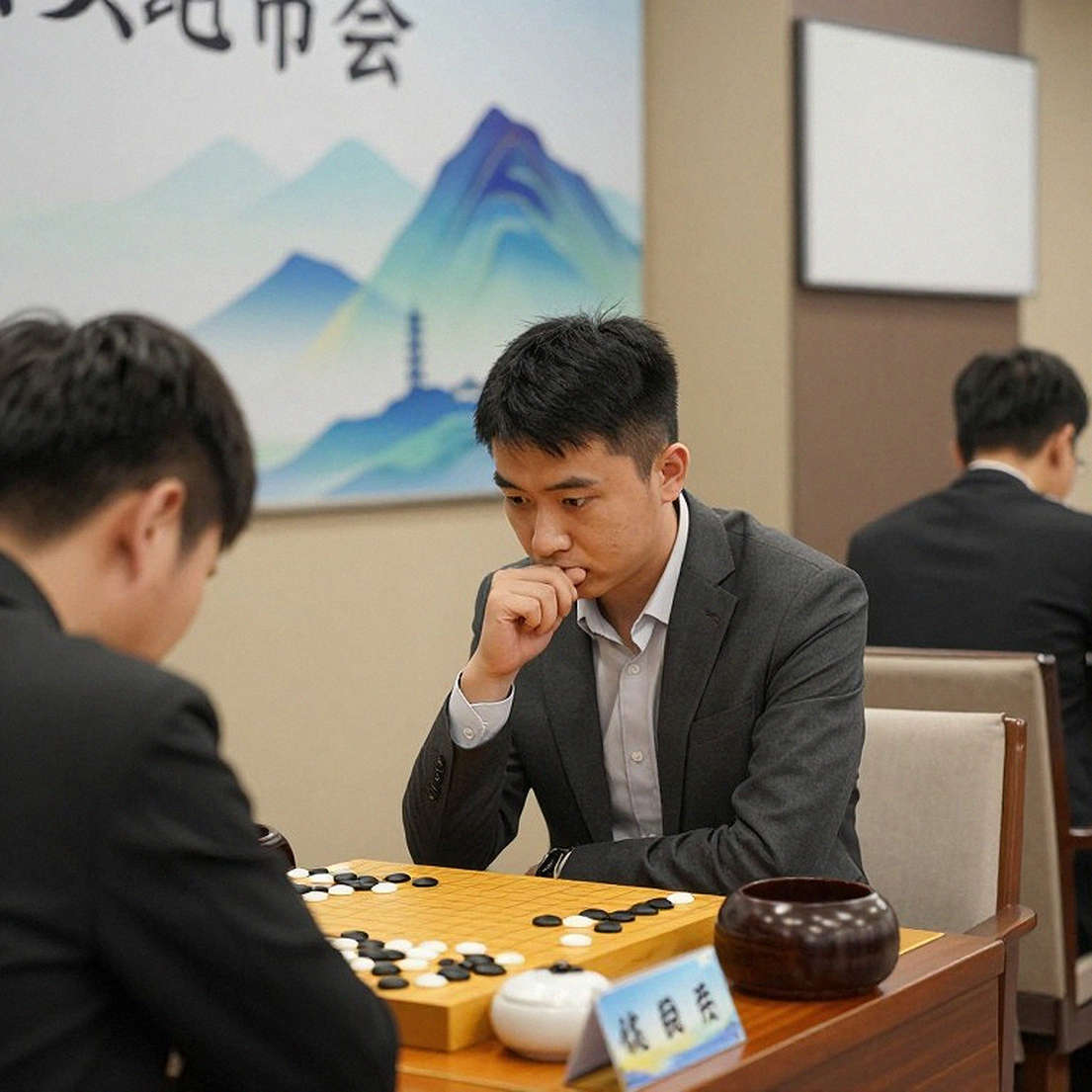
The second round of the 2026 Premier Division Chess League was running at the BCF hall in Purana Paltan. At the next table, a visiting Indian grandmaster opened 1...d5. The nineteen-year-old from Dhaka sitting opposite looked up with a thin smile — a cheap move, he thought. Three moves later the black queen landed on a5, and for the next two hours the boy hunted for attacking routes while the queen sat exactly where it was and kept the whole board sealed off. The result is in the scoresheet, and I have a copy. But the real data from that day was on the clock — Black saved ten minutes on the opening paperwork, then ran out of time. Round three is where that season stopped, in March 2026, in precisely this way. The season did not end. It stopped. The distinction is worth keeping.
This week a promotional blurb reached me — thirteen points long. The subject: a one-hour video teaching the main line of the Scandinavian Defense. The presenter is the English International Master Andrew Martin, described as a FIDE Senior Trainer. The title is "Sword of Damocles." Runtime: sixty minutes. The claims: that Magnus Carlsen has won games with this system, and that it is doubtful whether White can obtain an advantage. The promise: learn it in an hour, play it confidently the same day.
Let me sort out what the opening is. 1.e4 d5 2.exd5 Qxd5 3.Nc3 Qa5 — three moves tell the whole story. Black gives up the centre pawn on move one, recaptures with the queen, and then has to move that queen again when the knight attacks it on a5. After that Black builds a fixed house: knight to f6, pawns to c6, bishop to f5 or g4, then e6, Nbd7, castling long on some days, Rd8 on others. The picture repeats in almost every game. That is exactly why club players love it — a fraction of the memorised lines that the Scotch, the Sicilian, or the Ruy Lopez demand.
But the real ledger is the tempo ledger. If information is hidden in the Spanish, in the Caro-Kann it is an open book. There Black recaptures with the pawn after dxe4, the queen stays home, the knight lands on f6, and White gets no free move. In the Scandinavian the queen has to take and then has to move again. The difference is one move, and one move is the hardest currency in chess. White's simplest and safest plan becomes: bank a small edge with developing moves and take no risks. That is the mainstream theoretical verdict — the system is sound, but it is not quite the best for Black. The course's claim that White's advantage is doubtful goes beyond the consensus, and that is sales language, not rating data.
My objection does not stop there, because the club player's ledger is written differently. A thirty-year-old bank officer in Dhaka has an hour a day for chess, sometimes two. The question is not which opening is objectively best for Black; it is which opening he can still operate three months from now. By that measure the Scandinavian is easy like cheese — the same structures come round again and again, and the student does not forget the script. In club chess that is a real advantage, and it is not imaginary.
Now the arithmetic of the course format. Sixty minutes, allowing for model games, buys roughly ten to fifteen illustrative games at most, and that without commentary. Add the main line, the structures, and a few typical traps, and the hour is gone. This is a repertoire segment, not a repertoire. The bigger gap sits elsewhere: White can simply decline 2.exd5. With 2.Nf3, 2.e5, or 2.d4 he sidesteps the main line. If those sidelines are not covered, the course works against a particular opponent, not against everyone. Before spending money, read the syllabus. That is not a polite suggestion; it is arithmetic.
Carlsen's name sits outside the accounting. In newspaper language it is a credibility transfer — borrowing the world number one's name to build the product's reputation. Carlsen does occasionally surprise with offbeat defences, so the claim is not impossible. But the notebook says one thing; the tape says another. The blurb names no game, no opponent, no date, no event. The claim is therefore unverifiable. And one thing can be said without verification: Carlsen plays at 2800-plus, so a one-tempo deficit is minor for him. What he can do, he does through general strength rather than through this opening's virtues. That distinction is exactly what the advertisement elides.
Martin's credentials run the other way — easy to check, and still true. International Master and FIDE Senior Trainer are both findable in FIDE records. The first signals competitive strength, the second signals teaching ability. For a club audience the second matters more, and the course should have said plainly that it is coaching-grade rather than cutting-edge tournament theory.
Let me attach the Bangladeshi ledger, because without it this discussion floats. Five grandmasters against India's eighty-plus. The date is still scored into memory — 2026, Enamul Hossain Razib, our last GM. Niaz Murshed became South Asia's first grandmaster in 2026, a year before Anand. The federation's annual government grant is roughly eleven lakh taka; no home GM norm tournament ran between 2026 and 2026; the Standard Chartered school tournament began in 2026 and stopped in 2026. Against that backdrop, a safe Black system learnable in an hour is not worthless to a club player — it is a return on time. But it is a solution to the entry door, not the exit. This opening will not make anyone a grandmaster.
Now the other side, because the easy criticism does not persuade me. Everyone calls the sixty-minute course shallow and padded. It is the reverse — going deep on one system is more honest than a thousand-page repertoire. For a player holding a day job, narrowness is a virtue, not a fault. The dishonest thing is the title. "Sword of Damocles" implies the blade hangs over White. On the board it hangs over Black: the queen stands alone on a5, far from the centre, and sooner or later White reaches for it with Be3, Nd5, or c4-c5. Black stops that only by knowing which move to play at exactly which moment, and that is not learnable in sixty minutes. "Play with confidence the same day" is the most inflated line in the blurb. Knowing the moves is not the same as being able to use them.
So what is the path forward? Three verification steps from my own file. First, search for the games behind the Carlsen claim — a specific game with 1...d5, with opponent and event. If none surfaces, file the claim under "data pending verification," as I do in my notebook. Second, check the syllabus for answers to 2.Nf3 and 2.e5; if they are absent, treat the course as a repertoire segment and not as a jacket. Third, do not measure the claim, measure the result — play ten league games with the same Black system and see what happens. The 2026 file stays open; it holds twenty-five years of entries from Niaz to Neer, and no new line has been written into it since the 2026 cutoff. What Manon Reja Neer does next is the real question now. No sixty-minute video is going to answer that. Beat kept. Story filed.

Related Players
Popular Reads
The Scandinavian Defense: A 60-Minute Carlsen-Endorsed Solution, or Another Marketing Tactic of the Content Economy?2026-10-13
From a Dead Draw to a Win: Savitha Shri's 7/7 and the Real Ledger of India's Pipeline2026-09-26
A FIDE Headline, a Carlsen Video: Sixty Minutes of the Scandinavian Defense and One Missing Ledger2026-10-15
The Scandinavian Defense: The Claim of Learning a Reliable Repertoire in 60 Minutes and Its Reality2026-10-15
The Endgame Ledger: Karsten Müller, Hamburg, and the Chapter We Never Wrote2026-10-13
The Ledger of an Empty Input: Bangladesh Chess, the Five-Grandmaster Ledger, and the Silent Death of a Pipeline2026-10-13
Recommended
Samarkand Round 8, Germany's Shake-Up, and the Sixty Minutes of the Scandinavian2026-09-26
Samarkand Headline, Scandinavian Advertisement: The Report That Contains No News2026-09-26
The Scandinavian Defense: A 60-Minute Carlsen-Endorsed Solution, or Another Marketing Tactic of the Content Economy?2026-10-13
Samarkand in the Title, Prague in the File: ChessBase Magazine #225 and the Arithmetic of Evidence2026-09-26
The Scandinavian Defense: The Claim of Learning a Reliable Repertoire in 60 Minutes and Its Reality2026-10-15
Next to Seed 47 Sits 'Olympiad Gold': The Calendar Gap and Group B in Vietnam's Claim2026-09-28
Recommended
The Scandinavian Defense: A Sixty-Minute Promise and What It Actually Costs at the Board2026-09-26
The Scandinavian Defense: A 60-Minute Carlsen-Endorsed Solution, or Another Marketing Tactic of the Content Economy?2026-10-13
Next to Seed 47 Sits 'Olympiad Gold': The Calendar Gap and Group B in Vietnam's Claim2026-09-28
3.Bc4 and an Eleventh Spring: Bodhana Sivanandan's Samarkand Olympiad as a Silent Blockchain2026-10-09
Samarkand in the Title, Prague in the File: ChessBase Magazine #225 and the Arithmetic of Evidence2026-09-26
A Headline and Its Missing Body: Round 8 in Samarkand and Sixty Minutes of the Scandinavian Defence2026-09-26