
Chess Content's Empty Ledger: The Elephant Gambit, 60 Minutes, and the Arithmetic of Verification
মূল উত্তর: এলিফ্যান্ট গ্যাম্বিট (১.e4 e5 ২.Nf3 d5!?) নিয়ে প্রকাশিত ষাট মিনিটের কোর্সটি পরিচিতি-স্তরের সার্ভে, পূর্ণ রেপার্টোয়ার নয়। দাবিগুলোর পেছনে কোনো ইঞ্জিন-মূল্যায়ন, ডেটাবেস নমুনা বা স্যাম্পল গেম নেই; আর শিরোনামের এগারো বছরের 'সর্বকনিষ্ঠ' রেকর্ড-দাবির সমর্থনে Articlesের শরীরে একটিও তথ্যবিন্দু নেই। মূল তথ্য: - ২...d5!? চালে কালো বোড়া দেয়; ৩.exd5-এর পর ক্ষতিপূরণ কেবল গতিশীল, স্ট্রাকচারাল নয়। - পণ্যটির দৈর্ঘ্য ষাট মিনিট; গৃহীত ও ক্লিন-ডিক্লাইন দুই শাখার রেপার্টোয়ার এই সময়ে অসম্ভব। - গ্যাম্বিটের কার্যকারিতা উল্টো: ব্লিটজে সবচেয়ে ধারালো, ক্লাসিক্যালে সবচেয়ে ভোঁতা। - ষোলোটি তথ্যবিন্দুর চোদ্দোটি কোর্স-প্রচার; শিরোনামের রেকর্ড-দাবি শরীরে অনুপস্থিত। - FIDE-র নর্ম-সম্পন্নতার তারিখ ও আনুষ্ঠানিক অনুমোদনের তারিখের মধ্যে কয়েক মাস ফারাক থাকতে পারে। সূত্র: Stage-2 Deep Professional Analysis, স্টেজ-১ তথ্যবিন্দু IP1–IP16 অবধি; মূল নথিতে প্রকাশতারিখ উল্লেখ নেই। সম্পর্কিত প্রশ্নোত্তর: প্রশ্ন: এলিফ্যান্ট গ্যাম্বিট কি মূল রেপার্টোয়ার হিসেবে ব্যবহার করা উচিত? উত্তর: না — এটি ব্লিটজ বা ক্লাব Leagueের সারপ্রাইজ অস্ত্র হিসেবে উপযুক্ত; মূল অস্ত্র বানালে প্রতিপক্ষ ৩.exd5 খেলে বোড়া এগিয়ে গেলে Rating ক্ষতি হয়। প্রশ্ন: 'সর্বকনিষ্ঠ WGM' দাবিটি কোথায় যাচাই করা যায়? উত্তর: FIDE-র অফিসিয়াল শিরোনাম রেকর্ড ও জাতীয় ফেডারেশনের আনুষ্ঠানিক বিবৃতিতে — কোনো মিডিয়া পুনর্কথনে নয়। প্রশ্ন: ষাট মিনিটের কোর্সে কী থাকা প্রয়োজন? উত্তর: গৃহীত শাখা, ক্লিন-ডিক্লাইন সেটআপ এবং ট্রান্সপোজিশন — স্যাম্পল গেম ও ইঞ্জিন-চিহ্নসহ তিনটিই।
On the board the position looks harmless: 1.e4 e5 2.Nf3 d5!? 3.exd5. Black's d5 pawn is gone, Black is a clean pawn down, and in exchange Black has bought time and rapid development. The question is arithmetic, not emotional — can that time settle the bill for a pawn?
In 2026, in a bedroom in Mymensingh, I was tagging 640 games from the Premier Division Chess League, sorting each one by pawn structure and endgame type. The Elephant Gambit was in that file — never on the top boards. In the games of the Indian guest grandmasters that Police, Navy and Biman rented for board one, the opening was almost absent. It lived on the lower boards, on club-league evenings, after the clocks came down.
After I tagged 640 games, one thing became plain: the opening is not weak, its usable territory is narrow — and the language of the sale hides exactly that narrowness.
What has changed is not the Elephant Gambit but the economics of chess preparation. In the engine era mainline theory has deepened so far that preparation cost is now the real competitive cost. If a club player pours hours into four mainlines after 1.e4 e5 2.Nf3, the price of an unprepared position on the other side of the board rises. The surprise-opening market therefore grows with the engines rather than shrinking — it is counter-cyclical, and this product is its natural crop.
The Bangladesh ledger is more specific. With the BCF's annual grant capped, with the school-chess pipeline killed in 2026 cutting the under-14 stream by more than half, and with most rated national-team players holding day jobs alongside their boards, nobody here is buying a vast preparation suite. They buy a Tk 200 annotated PDF, or a one-hour course. The product's price tier is real; whether its claims are real is a separate question.
That is where the first contradiction knocks. The promotional copy says the presenter will select a repertoire in 60 minutes. Yet of the sixteen information points behind this analysis, fourteen describe that one-hour course — while the headline carries a claim about an eleven-year-old's 'youngest-ever' title record, supported by not a single point in the body. That gap between headline and body is a signal about editorial control, not about chess.
A chess record should behave like an open ledger: every entry independently checkable, and anyone altering a row gets caught by everyone else. This text has no such ledger. Circulating an unverified record and publishing an unverified rating claim are the same disease.
Look at the technical side plainly. The opening is an outlier in elite classical chess and a familiar sideline beside the mainstream at club and blitz level — not an innovation. 'The attention it deserves' is a marketing frame, not a theory claim. A repertoire that were objectively sound at 2500+ would be a routine guest in elite classical practice; its near-total absence there is the strongest available counter-evidence to the underrated thesis.
The promotion lists five advantages. Three are verifiable technical properties: initiative transferred on move two, tactical density or landmine-heavy lines, and surprise value against an unprepared opponent. The other two — aggressive and unorthodox — are descriptions, not evaluations. Describing the character of a position and proving its objective worth are not the same task.
The part of the accounting that gets skipped is simple: the d5 pawn sits en prise, and after 3.exd5 Black is a clean pawn down with only dynamic compensation, not structural compensation. 'Black is taking the game to the opponent as early as move two' is accurate as a description of the move order; the price tag is simply left out.
Then there is the inverted time-control relationship, the least discussed point of all. The gambit's value runs inversely against the opponent's thinking time: sharpest in blitz, bluntest in classical. Sales language often says the reverse. For the player who buys the idea in fifteen minutes and then sits down to a 90-minute league game, the product does not work — a principled 3.exd5 and normal development turns the initiative into steam.
The largest structural weakness, though, is the product's own runtime. Sixty minutes is a survey, not a repertoire. A gambit repertoire means the accepted lines, the clean-decline setups, and the transpositions — all three shown separately. That cannot fit in an hour, so the buyer purchases an introduction and starts believing it is a repertoire. The author himself closes with 'if used with discretion'. That hedge is the most honest technical sentence in the text, because it concedes the point: this is not a main-line weapon.
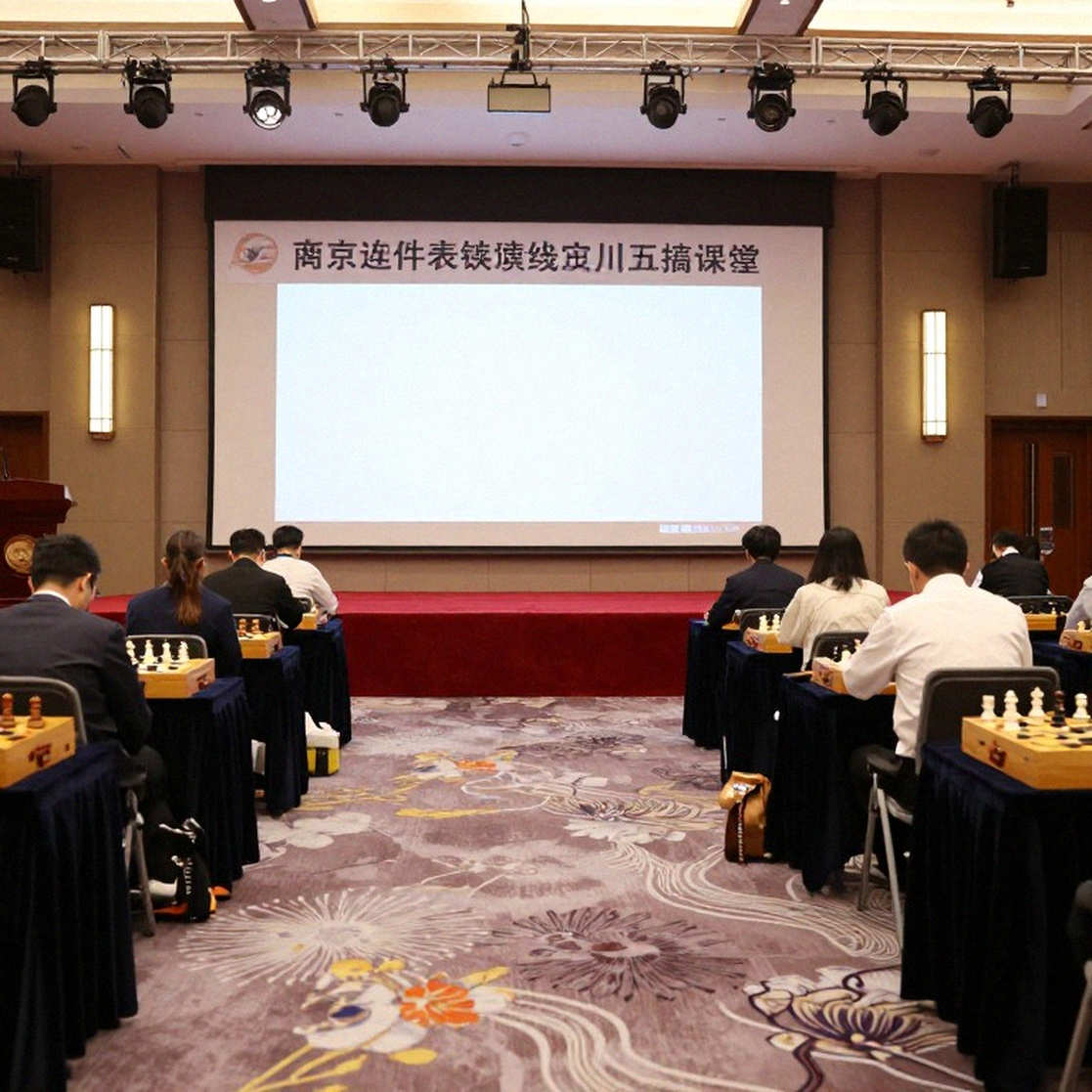
The audience is equally clear: online blitz and club league, roughly the 1600 to 2200 band, where opponent preparation is thin. Surprise density works for young and club players — but those same players are the least equipped to handle a materially inferior endgame once the gambit is declined cleanly. The benefit and the damage live at the same address.
In the Bangladeshi context this becomes concrete. On the middle boards of a Dhaka league event, where board one belongs to a rented guest grandmaster and board four to a player with a day job, an unprepared position earns real value. But if that becomes the foundation of a month's preparation, the opponent opens a file two games later.
The real contrarian point is therefore not about the opening but about the category. The risk is not the pawn, it is the misclassification. When a buyer treats a survey as a repertoire, the damage is bounded but certain — rating, morale, and confidence in the next game. It is not a tragedy worth reversing; it is exactly as small as the price.
The second concealment is packaging. A share-optimised record headline has been placed on top of cold, dry commercial copy. In the chess content economy the prodigy narrative converts browsers into buyers, which is exactly why publishers bolt record branding onto instructional products. Accidentally, the join often lands in the wrong place.
The third point matters most, and it is ethical. The 'youngest-ever' claim concerns an eleven-year-old. FIDE's norm-completion date and the formal award date are separate, and they can differ by months; media retellings routinely conflate them. Pinning an achievement to a label before primary records confirm it is not journalism's job. Chess history also warns that the funnel from a 'youngest-ever' label to a sustained elite plateau is narrow.

Three things are worth watching next, and all three are checkable. First, whether the publisher releases sample games, engine evaluations or database statistics — if so, the product's assessment rises from one star to two or three. Second, whether the gambit reappears on the middle boards of the Dhaka league or the National Championship, and under which time control. Third, whether the headline record claim survives FIDE's open ledger. A claim whose rows cannot be reconciled does not live in the ledger — it lives only in the headline.