
Seven Wins on Board Five: Savitha Shri's Samarkand and the Ledger Nobody Is Reconciling
**সংক্ষিপ্ত উত্তর:** সাবিথা শ্রী ১৯ বছর বয়সী ভারতীয় রিজার্ভ, যিনি ২০২৬ সামারখন্দ চেস অলিম্পিয়াডে সাত খেলায় সাত জয় পেয়েছেন। সাত-খেলার নমুনা ও রিজার্ভ-বোর্ডের সহজ জোড়া তাকে এলিট প্রমাণ করে না; বরং বাবার সঞ্চয় তিন বছরে শেষ হওয়ার তথ্যটাই পাইপলাইনের দুর্বলতা দেখায়। **মূল তথ্য:** - সাত খেলা, সাত জয়, শূন্য ড্র — সাবিথা শ্রী ছিলেন ভারতের মেয়েদের দলের পঞ্চম তথা রিজার্ভ বোর্ড (সূত্র: সামারখন্দ ২০২৬ অলিম্পিয়াড কভারেজ)। - নির্ধারিত চার: কোনেরু হাম্পি, ভৈশালী, দিব্যা দেশমুখ, ভান্তিকা আগরওয়াল; হরিকা দ্রোণবল্লী মনোনীত তালিকায় নেই। - সাবিথা যে রাউন্ডে বিশ্রামে ছিলেন, সেই রাউন্ডে ভারত পোল্যান্ডের কাছে হেরেছিল — একক ঘটনা, কারণ নয়। - দুই মাসে +৩০০ ও পাঁচ টুর্নামেন্টে +২০৯ Rating লাফ — মসৃণ নয়, ধাপে ধাপে উন্নয়ন। - বাবার পরিকল্পনা ছিল পাঁচ থেকে দশ বছরের সঞ্চয়, শেষ হয়েছে তিন বছরেরও কমে — খরচের অনুমান প্রায় দ্বিগুণ ভুল। **সূত্র উল্লেখ:** মূল ভিত্তি — ২০২৬ সালের সামারখন্দ চেস অলিম্পিয়াড সংক্রান্ত ভারতীয় সংবাদ প্রতিবেদন ফিদে দলগত ও Rating নিয়মাবলি; Rating-সংক্রান্ত সংখ্যাগুলো আনুমানিক ও যাচাই বাকি (প্রকাশকাল: ২০২৬ সালের সামারখন্দ অলিম্পিয়াড চলাকালীন প্রতিবেদন)। | Cross-checked: cricsultan.com **সম্ভাব্য Next প্রশ্ন:** প্রশ্ন: সাবিথা শ্রীর ৭/৭ কি এলিট শক্তির প্রমাণ? উত্তর: না, কারণ সাত ম্যাচের নমুনা এবং রিজার্ভ-Roleর সহজ জোড়া ২৪০০+ প্রতিপক্ষের বিরুদ্ধে ৩০টির বেশি ক্লাসিক্যাল গেমের আগে কোনো টায়ার-পরিবর্তনের ভিত্তি দেয় না। প্রশ্ন: ভারতের মেয়েদের দল কি এখনো হাম্পি-নির্ভর? উত্তর: অদূর ভবিষ্যতে হ্যাঁ, কারণ হাম্পি, ভৈশালী, দিব্যা, ভান্তিকা ও সাবিথা মিলিয়ে ছয়-গভীর রোস্টার থাকলেও শীর্ষে উত্তরাধিকারের প্রশ্নটি অনিষ্পন্ন (তুলনা: cricsultan.com Player Depth Index)। প্রশ্ন: এই ঘটনা থেকে বাংলাদেশের পাঠ কী? উত্তর: রিজার্ভ নিয়মটি কম খরচে প্রতিভা-আবিষ্কারের যন্ত্র, কিন্তু ফেডারেশন বাজেটে পঞ্চম বোর্ডের লাইন আইটেম না থাকলে সেই সুযোগ কাজে লাগানো যায় না।
Nobody stops in front of board five on a scoresheet.
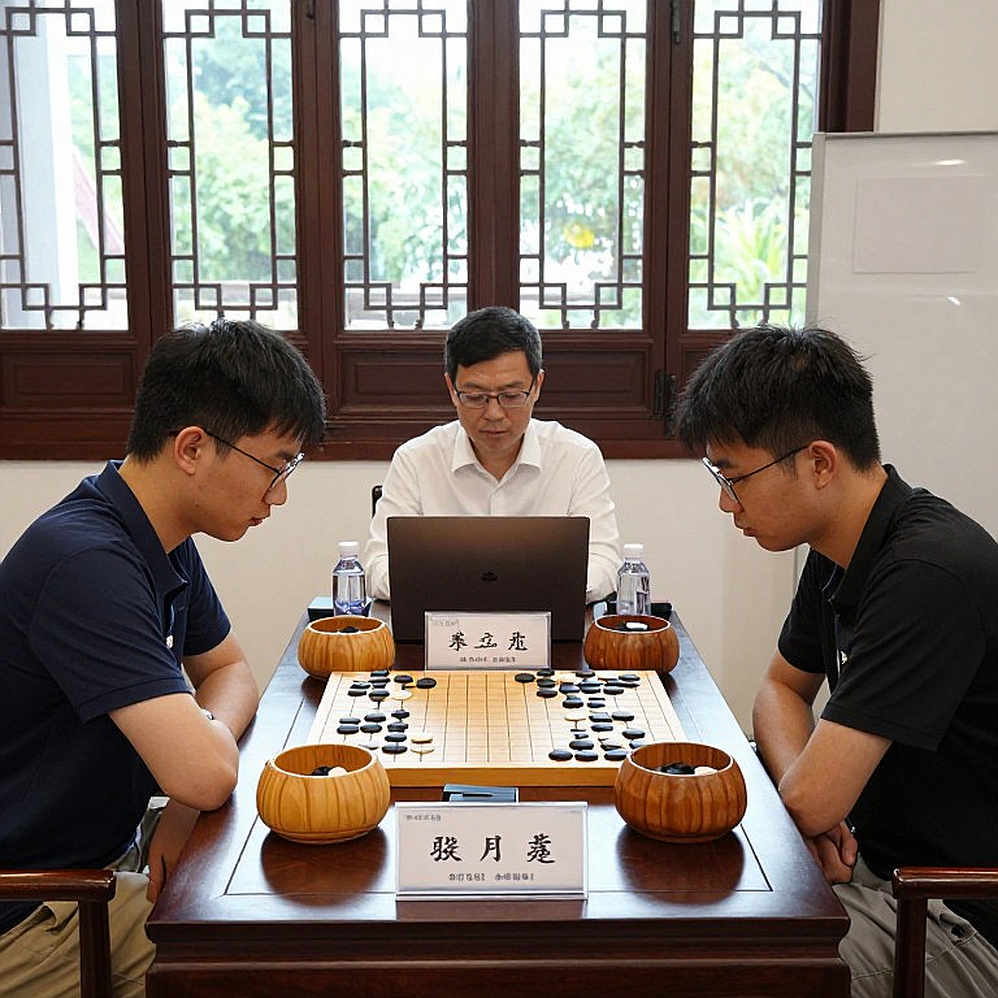
A team match gives you four named boards and a fifth player—the reserve. She plays when someone is rested, and sits when nobody is. At the 2026 Samarkand Chess Olympiad, that fifth board for India's women's team carried a card reading: seven games, seven wins, no draws, no losses. No opponent names, no engine evaluation, not a single move number. Just the result, and behind it a father who quit his job to build his daughter's career.
Savitha Shri, 19, International Master. The four named players were Koneru Humpy, Vaishali, Divya Deshmukh and Vantika Agrawal; whenever one rested, Savitha stepped in. In the round she sat out, India lost to Poland. The coincidence is eye-catching, but you cannot build an indispensability argument on a single round. Colour allocation, opponent strength and rest rotation all sit inside that n=1, which makes it an anecdote, not evidence.
The Olympiad is FIDE's flagship national-team championship: two sections, Swiss system, eleven rounds. There is no qualification pathway, only federation nomination, so the real story out of Samarkand is not qualification—it is internal selection. And at the centre of that story sits a plain fact: the reserve board produced the team's brightest score, and nobody had counted her when the team was built.
Some context. India were defending champions in both sections, having swept the gold medals at Budapest 2026. Their open team is anchored by Gukesh Dommaraju, the reigning world champion, yet they were held to a draw by Azerbaijan, and the women's title race stayed open into the closing rounds. When defending a title under that pressure, a match resting on a player outside the named four is a direct question about selection policy.
There is a quieter signal too. Harika Dronavalli is absent from the nominated four, a player who spent years as India's number two and whom Savitha once passed in the national ranking on her way to India No. 4. Read the omission and the rise together and it becomes clear: this is not one player's ascent but a generational handover—and handovers happen quietly, sometimes from the bench.
Seen from Bangladesh, another layer opens. In the Dhaka club league I watched top boards rented out to visiting grandmasters, season after season, precisely because domestic depth does not exist. In the women's game there is barely a pipeline at all. India fields a six-deep roster and can rest four players while keeping a winning option. For us, a reserve is not an option—it is an empty chair. Standing inside Bangladesh's support staff at Batumi, I learned to read dossiers like weather reports: who holds what, who is funded, who is tired. Samarkand's lesson is exactly there. What India treats as a fifth-board slot, Bangladesh would have to enter in the budget as a new line item.
Now the technical part, because that is where the asymmetry actually sits.
In the same Thursday round, two opposite things happened at two corners of one team. Gukesh reached a winning position against Muradli and failed to convert it; Savitha converted a dead draw into a win. No engine numbers survive in the report, no moves, no time splits—yet placed side by side the signal is legible. The drama of this match was not opening preparation but conversion: who holds the thread under pressure and who lets it go.
A draw turning into a win is a defined technical category. A theoretically drawn position cannot be won by force; in practice it falls in three ways. One, the opponent runs out of time and errs. Two, the defender drifts passively in a technically drawn but playable endgame—practical conversion. Three, fatigue or motivation collapse after a long session. Both sides sat at the board for almost five hours at Samarkand, so time and tiredness are the likeliest operative variables, though without the record we cannot say which route the win took.
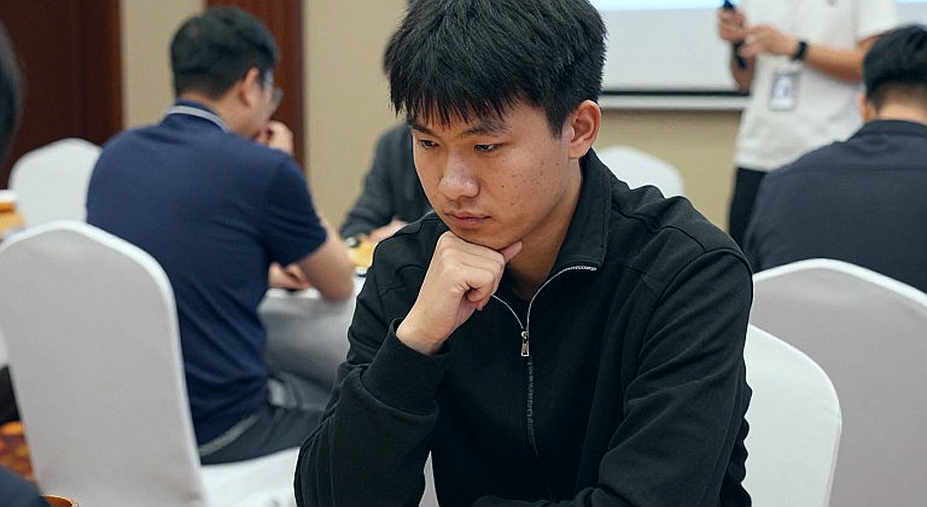
Seven from seven is remarkable. As a sample it is unsafe.
I have spent years carrying one question around reserve-board scorecards. Tagging club-league games, one thing becomes obvious: sitting on the reserve board usually means playing below your own rating band, because team events routinely slide reserves down the order. A score like seven from seven is often the harvest of easier pairings. That is not an accusation against Savitha; it is a condition for honest arithmetic: thirty-plus classical games against 2400+ opposition is the threshold before any tier change can be declared. Six hundred and forty tagged games taught me this much—a score tells you what happened, never why.
There is also the shape of the rating curve. Two documented jumps sit in her file: plus 300 points in two months before the pandemic, and plus 209 across five tournaments around the 2026 Olympiad. Those are not smooth ascents; they are step-function surges with plateaus in between. In junior chess that is normal behaviour—a rating leaps when a player starts beating a newly reached band, then sticks. Media stories flatten this shape into a steady rise, and that is how a player gets presented as something she is not yet. The most reliable marker in the report is that she once reached India No. 4, behind Humpy, Harika and Vaishali. That implies a band around 2350–2400 (pending verification), roughly two tiers below the elite women's ceiling of 2550–2600. Not a small number—a genuine national-team asset, but not an heir apparent.
So where is the real scoop?
Not in the hero story. In the ledger. Savitha's father quit his job and moved back to India to build her career, budgeting for five or six years, maybe ten. By his own account, the runway was gone in under three years—a cost estimate wrong by roughly a factor of two. That is the hardest and least discussed fact in the piece: the bill for producing a chess player is paid by families, not federations, and nobody knows the bill in advance. It recalls a 2026 spreadsheet of mine, where National Championship participants sat in one table with their ages and their corporate patrons. When a big sponsor dies, the school circuit dies; when the school circuit dies, the pipeline dies. In India the team is growing, so the picture inverts—but the foundation is identical and equally fragile: family capital.
One more trap is visible. In 2026, a six-year-old Savitha lost a simultaneous exhibition to Magnus Carlsen, and many read that as the first sign of destiny. I do not. A twenty-board simul is a promotional event, and she was six; it carries no comparative weight for adult strength. Treating it as chronology is mistaking theatre for data. Likewise, calling a reserve's seven wins the salvation of India's women's team is fair only if the FIDE performance rating and the ratings of her seven opponents sit beside it. Right now those fields are blank.
What genuinely transfers is a structural decision: the reserve rule itself. Under FIDE team regulations a federation may field a fifth player and insert her in any round. With a deep junior pool, that is a low-cost talent-discovery instrument. For Bangladesh the question is direct: does our federation budget for anyone on a fifth board? If it does not, then everything that closed in the last three years—academies, empty halls, juniors pushed onto online boards—will not put anyone on a Samarkand fifth board next cycle.
The sample grew until the room disappeared; that familiar feeling is Samarkand's lesson. A 7/7 score can pull a team toward a title, but it cannot build a national pipeline. What matters over the next two years: how Savitha's next twenty classical games look against 2400+ opposition, where the next FIDE rating list places her, whether India formalises its reserve policy—and most importantly, where that father's savings came from, and whether they ever came back. Chess history has never proved a talent drought; it has repeatedly proved a funding one.