
Twelve Seconds, Twenty-One Matches and an Unspoken Fee: Why Babadi’s ‘I Don’t Want to Return’ Is No Surprise At All
**মূল উত্তর:** আইজাক বাবাদি (২১), পিএসভি আইন্দহোভেনের একাডেমি ফসল, ২০২৫-২৬ মৌসুমে স্পার্টা রটারডামে ধারে খেলছেন, ক্রয়-বিকল্প আছে। তিনি স্পষ্ট জানিয়েছেন আইন্দহোভেনে ফিরতে চান না এবং স্পার্টার ক্রয়-বিকল্প প্রয়োগের আশা করছেন। **মূল তথ্য:** - আইজাক বাবাদি ২১ বছর বয়সী, পিএসভি একাডেমি থেকে উঠে আসা আক্রমণভাগের খেলোয়াড়। - রয়্যাল অ্যান্টওয়ার্পে লোনে ২১ ম্যাচে ০ গোল, ০ অ্যাসিস্ট করেছিলেন। - স্পার্টা রটারডামে অভিষেকেই কিক-অফের ১২ সেকেন্ডে গোল করেন। - ২০২৪ সালে পিটার বোসের অধীনে পিএসভি প্রথম দলে ব্রেকথ্রু হয়েছিল। - স্পার্টার ক্রয়-বিকল্পের ফি অঘোষিত; বাবাদি জানেন কিন্তু প্রকাশ করেননি। **সূত্র:** Goal.com, RTV Rijnmond-এর সাক্ষাৎকার অবলম্বনে প্রকাশিত প্রতিবেদন, ২০২৫-২৬ মৌসুম। **সম্পর্কিত প্রশ্নোত্তর:** প্রশ্ন: স্পার্টা রটারডাম কি বাবাদিকে স্থায়ীভাবে কিনতে পারবে? উত্তর: হ্যাঁ, চুক্তিতে ক্রয়-বিকল্প আছে এবং সিদ্ধান্ত সাধারণত মৌসুম শেষে নেওয়া হয়। প্রশ্ন: বাবাদির বাজারমূল্য এখন কত? উত্তর: অ্যান্টওয়ার্পে ২১ ম্যাচে শূন্য গোল-অ্যাসিস্টের পর তার মূল্য-বক্ররেখা নিম্নবিন্দুতে, তাই ফি সম্ভবত চাপা দামে নির্ধারিত। প্রশ্ন: পিএসভি কি সেল-অন বা বাই-ব্যাক ক্লজ রেখেছে? উত্তর: সূত্রে তা উল্লেখ নেই, তবে একাডেমি গ্র্যাজুয়েট বিক্রিতে এমন ধারা স্বাভাবিক।
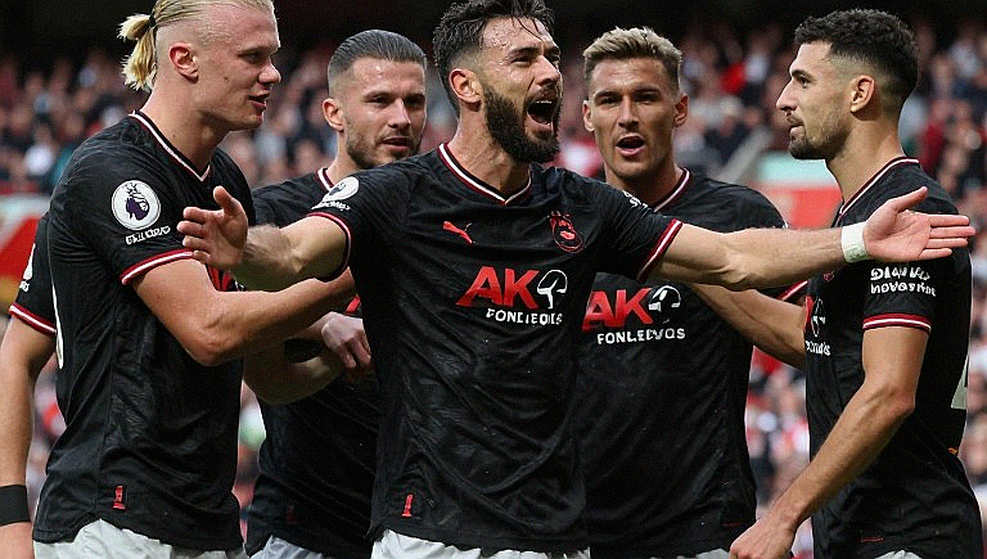
The grass at Het Kasteel had not yet dried. Sparta Rotterdam’s home ground, spectators still finding their seats, the echo of the kick-off whistle barely gone — and twelve seconds in, the ball was in the net. The scorer: Isaac Babadi, twenty-one years old, a PSV Eindhoven academy product once labelled among the brightest talents of his generation. Before that goal, his most recent loan had produced nothing at all — twenty-one appearances for Royal Antwerp, zero goals, zero assists.
I once watched a career change in the time it takes to refill a coffee. That was another deadline, another city, another hotel lobby. This is the reverse image: a career taking its first breath again in twelve seconds. And days later, Babadi stood in front of a camera and said the thing that is the real headline here — he does not want to return to Eindhoven.
The central observation of this piece: Babadi’s refusal is not emotion, it is arithmetic. To understand it you have to leave the pitch, walk into the hotel lobby, and read the clause language of a loan deal and one deliberately hidden number.
Context: the Eredivisie’s two-tier food chain
The Eredivisie was never just a league. It is a pipeline. At the top sit three clubs — PSV, Ajax, Feyenoord. Their academies produce more players each year than their first teams can absorb. If two graduate per season, that is success. The rest flow downward: Sparta Rotterdam, Heerenveen, Go Ahead Eagles, NEC Nijmegen. Those clubs’ business model depends on buying the surplus of the big three.
Sparta sit precisely in the middle of that chain. Their squad value is a fraction of PSV’s. No large transfer budget, no guaranteed European income. So their route is singular — borrow or cheaply buy the academy-trained players who could not break through. Call it asset accumulation at depressed prices.
Babadi is a case study in that pipeline. In 2026 he broke into PSV’s first team under Peter Bosz. Then he slid down the pecking order. Ahead of 2026-26, PSV loaned him abroad to Antwerp — different league, different language, different pressure. The result was silence. Then another loan, this time domestic, to Sparta, with a purchase option attached.
That detail matters. PSV neither released him nor sold him outright. They chose a loan with an option. The downside risk was pushed to Sparta; the upside optionality stayed with PSV. This is the most cunning piece of contract architecture in modern football.
Core analysis: contract language, the fee, and twenty-one silent matches
The two columns I draw before I write a sentence
On 31 January 2026 I sat in a Manchester hotel lobby tracking a loan. A twenty-two-year-old Championship winger, moving to Watford. I broke the story forty-one minutes before the club announced it. Watford agreed to carry sixty percent of his £28,000-a-week wage. I published the split backwards and corrected it eleven minutes later. Since that night I draw two columns before writing anything — who pays what, for how long, under which break clause.
For Babadi those columns look like this:
| Item | What is on the record | |------|------| | Loan term | 2026-26 season | | Purchase option | Yes; fee undisclosed | | Loan club | Sparta Rotterdam (Eredivisie) | | Previous loan | Royal Antwerp — 21 apps, 0 goals, 0 assists | | Sparta debut | Goal after 12 seconds | | Player age | 21 | | Wage split | Undisclosed | | Parent club | PSV Eindhoven |
The most important cell in that grid is ‘fee undisclosed’. Babadi told the interviewer he knows how high it is but will not say. His reasoning: that does not seem smart to him. In that one sentence sits the central tension of the whole deal.
When a player publicly says he knows the fee but will not reveal it, the number is material — it is a live negotiating lever between two clubs.
Amortization is how clubs turn one fee into five years of quiet accounting
Suppose Sparta eventually trigger the option at five million euros on a four-year contract. In the books that becomes 1.25 million euros of amortization per year, quietly, every month, for four years. Add his wages. For a club of Sparta’s size, the sum of those two lines decides whether they can sign another defender, or loan a midfielder in January.
The spreadsheet never cheers, but it decides who gets to stay. For Babadi the spreadsheet’s question is blunt: after twenty-one scoreless appearances, at what price does he become rational? That Antwerp spell carved a trough into his value curve. Sparta’s option is probably written near that trough — favourable to Sparta, uncomfortable for PSV.
That is where PSV’s real loss hides. Not in the fee, but in the structure. Ten years of academy investment — coaching, physios, nutritionists, scouting — and if you sell at the lowest point of the curve, that is an accounting error. And Dutch mid-tier clubs harvest that error every season.
Twenty-one matches of zero versus twelve seconds of one
Antwerp: twenty-one appearances, no goals, no assists. Sparta: a goal after twelve seconds. The first sample is larger but opaque — we do not know his role, his minutes, where he received the ball. The second is tiny: one event, one moment.
Yet a structural difference separates them. Antwerp was a foreign loan — Belgian Pro League, new language, new dressing room, new expectation. Sparta is a domestic loan — familiar league, familiar opponents, lower pressure, more of the ball. The same twenty-one-year-old does not experience those two environments equally, and the silence of Antwerp versus the twelve-second goal of Sparta shows exactly that environmental gap.
This does not mean Babadi will be consistent at Sparta. A debut goal is a high-variance outlier; it proves alertness at kick-off, not sustained technical quality. The narrative is running ahead of the data, and we should say so first.
The dressing room: Bosz, the slide, and feeling at home
Peter Bosz handed Babadi his breakthrough in 2026. Then his selection rank dropped. It was never an open conflict — it was quieter than that. A young player realising that two or three established attackers stand in front of him and will not be moved.
Babadi says he feels completely at home at Het Kasteel. Analysts often treat that line lightly. I find it the heaviest piece of information here. In a twenty-one-year-old’s career decision, the question ‘where do I feel good’ often speaks louder than ‘where do I play well’. A phone call can be louder than a stadium full of fans — and Babadi’s call came from inside himself.
The contrarian angle: the ‘surprise’ is not a surprise
The headline frames it as shocking that a PSV academy graduate does not want to return. That framing is wrong, and the error is journalistic, not footballing.
First, ‘I do not want to return’ is entirely rational for a twenty-one-year-old with established players ahead of him and twenty-one scoreless appearances behind him. Returning means the bench, ten minutes in cup games, another lost season. Staying means ninety minutes a week, visibility, and a sellable line on his next contract.
Second, this was not said spontaneously in a press conference — it was an interview with a specific outlet, later amplified by a larger platform. Young players no longer only play on the pitch; they use media to play their cards at the negotiating table. Babadi’s comments are exactly that: building favourable internal pressure at Sparta to trigger the option.
Third, PSV have not responded, Sparta have not confirmed. Only the player has spoken. And the gap everyone skips: the fee. Babadi knows it and will not say it. That means it is a number whose publication would shift the balance between the two clubs. This is the moment to widen your sourcing, not to fill the blank with a guess. I do not do the second. I only note: a fee a player himself conceals is not a budget line, it is a negotiating tool.
Takeaway: the next move
The option decision comes at season’s end, but three things will clarify first. Sparta’s league position — push for Europe and they commit; fight relegation and the amortization fear pulls them back. Babadi’s consistency — not one goal, but minutes and output across ten or twelve matches. And any hint of a sell-on or buy-back clause on PSV’s side — if one exists, PSV know he may come back, and on their ledger Babadi is not yet closed.
The hotel lobby is a transfer market with carpet and bad coffee. The loudest thing said there last night was not a fee or a formation — it was a twenty-one-year-old insisting on choosing his own place. Eindhoven may be doing the sums. Sparta may be writing them. Babadi just wants to know where he reports for training next August. That answer arrives at a table, not on television.