
Nine...a5: A King's Indian Repertoire, the Engine's Shadow and an Incomplete Ledger
**মূল উত্তর:** কিংস ইন্ডিয়ান ডিফেন্সের মার দেল প্লাতা ভ্যারিয়েশনে বায়োনেট অ্যাটাক (৯.b4) এড়াতে একটি প্রচারমূলক ডিভিডি কালোর জন্য ৯...a5 সাইডলাইন প্রস্তাব করে; এটি কম মুখস্থের বদলে বেশি পরিকল্পনা চায়, তবে কোনো ইঞ্জিন মূল্যায়ন বা ডেটা দিয়ে প্রমাণিত নয়। **মূল তথ্য:** - বায়োনেট অ্যাটাক ৯.b4 মূলধারার ৯...Nh5-এর বাধ্যতামূলক, ইঞ্জিন-নির্ভর শাখা তৈরি করে। - ডিভিডির প্রস্তাব ৯...a5 — পরিচিত সাইডলাইন, নতুন চাল নয়। - ১৪টি তথ্য-বিন্দুর একটিতেও সূত্র উল্লেখ নেই; কোনো ACPL বা নমুনা খেলা নেই। - শিরোনামে "ChessMom / মা" থাকলেও বিষয়বস্তু সম্পূর্ণভাবে কিংস ইন্ডিয়ান রেপার্টোয়ার। - "কম্পিউটার এই Position বোঝে না" দাবিটি ইঞ্জিনের যুগে অতিরঞ্জিত। **সূত্র উল্লেখ:** মূল সূত্র: প্রচারমূলক ডিভিডি-পরিচিতি ও Stage-1 পণ্য বিশ্লেষণ; প্রকাশের সুনির্দিষ্ট তারিখ উল্লেখ নেই। **সম্পর্কিত প্রশ্নোত্তর:** প্রশ্ন: ৯...a5 কি বায়োনেট অ্যাটাকের বিরুদ্ধে এলিট স্তরে গৃহীত? উত্তর: না, এলিট চর্চায় প্রধানত ৯...Nh5 এবং ৯...Ne8 ব্যবহৃত হয়, ৯...a5 দ্বিতীয় সারির অস্ত্র। প্রশ্ন: ডিভিডিটির কেন্দ্রীয় দাবি যাচাই করা যায় কীভাবে? উত্তর: বর্তমান ইঞ্জিনে ক্লাসিক্যাল, র্যাপিড ও ব্লিৎজে আলাদাভাবে ৯...a5 বনাম ৯...Nh5 চালিয়ে এবং সমকালীন ডেটাবেসে খেলার হার মিলিয়ে। প্রশ্ন: এই ধরনের পণ্য বাংলাদেশের জন্য কী বোঝায়? উত্তর: ঢাকার ক্লাব খেলোয়াড়ের কাছে এটি প্রয়োজনীয় উপকরণ, কারণ দেশে বেতনভুক League বা বিশ্লেষক-কাঠামো নেই।
A black pawn slid to a5, out on the rim of the board, almost alone. On the laptop in front of me the evaluation bar settled near zero. Since the 2026 Chennai Olympiad I have kept one habit: pick a single board, a single seat, and hold eleven games of that seat together. I was doing it again — watching the board, not the result. Because this one move, 9...a5, is the whole sales pitch of a new opening-repertoire DVD. The trouble starts with the title: "ChessMom returns: Supporting mothers on and off the board" — mothers, family, support. Inside, there is not one line about mothers. Inside is a King's Indian Defence, Mar del Plata Variation, offering Black an answer to the Bayonet Attack. That gap between title and content is the first signal: here, packaging is working harder than theory.
The King's Indian begins 1.d4 Nf6 2.c4 g6 3.Nc3 Bg7. Black hands over the centre and then strikes back with ...e5 — the best-known hypermodern bargain. In the Classical branch, 7...Nc6 produces the Mar del Plata Variation, named after the 2026 Mar del Plata tournament where the structure first entered serious discussion. Both sides then push pawns at opposite wings: White on the kingside, Black on the queenside. Anyone who has entered this race knows it is a game of plans — but the plans run through dozens of forcing moves.
Then comes the Bayonet Attack: 9.b4. This single move nearly freezes Black's queenside plan. White's b-pawn blocks ...b5, shields the centre and leaves Black guessing. Black's main answer is 9...Nh5 — knight to the rim, pressure on the centre, and then a long, engine-dependent sequence of exchanges. For a club-level Black player that path means memorisation: vast lines, a precise best move in every branch, and a race against the computer.
This is exactly where the DVD steps in with 9...a5. The logic is plain: one step to the rim, then pressure toward ...a4, room for ...b5, and Black's own plan arranged before any central liquidation. In the DVD's words, this produces "sound positions with very few concrete lines" — less forced theory, more planning. It adds that computers "often do not know how to handle" these complex strategic positions.
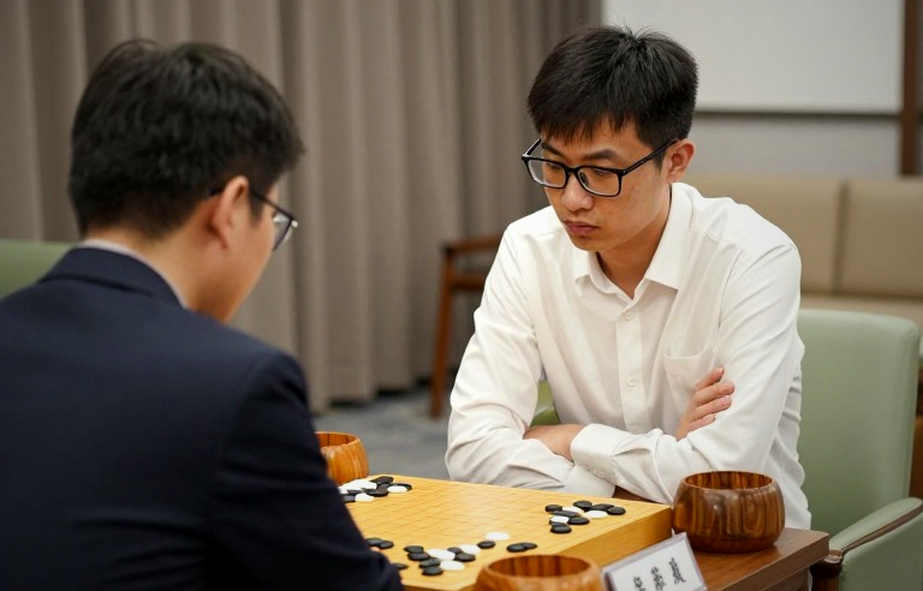
I begin with the ledger, and the ledger is incomplete. The DVD offers no engine evaluation, no ACPL, no win-draw-loss ratios, no sample games, no database statistics. Not one of the fourteen information points carries a source, and the whole text is a promotional product introduction. When a claim arrives in the engine era without engine numbers, it is advertising, not analysis.
Still, a real commercial truth sits inside the pitch, and it is an old tension in chess education: investment in memory versus investment in understanding. The 9...Nh5 path asks Black to remember; the 9...a5 path asks Black to understand. A club player may have six hours of preparation a week. If those six hours are spent memorising a forcing line to its last branch, a new move at the board knocks him over. The sideline sells into precisely that gap.
But "computers do not understand these positions" is close to obsolete. Modern engines handle the closed, slow, strategic positions of the King's Indian well, and have for years. I have seen repeatedly that an engine values a rim move no less than a central one when the rim move is part of a plan. That sentence should be read as marketing ornament, not technical claim.
There is also a familiar structure here: objective evaluation versus practical evaluation. The DVD says "objectively chances are equal", then adds that things can quickly become dangerous for White if Black knows the plans. Two different claims are stitched together — one objective (equality), one practical (danger against an unprepared opponent). That stitching is the old repertoire-market device.
Opening theory runs in cycles. When a main line is exhausted across thousands of games, a sideline is pulled from the corner and sold as an "antidote". The Bayonet Attack was itself once the product of that cycle; today it is mainstream, and 9...a5 is the new antidote against it. I remember beginning to tag individual moves in 2026, and the moves began to sort themselves. Every antidote lasts exactly as long as it takes White to build a counter-antidote.
Who buys this DVD? A Black player between roughly 2026 and 2400 who wants the King's Indian Mar del Plata but refuses to burn time in the forcing branches of the Bayonet. Whether the sideline has reached elite practice is a separate question; elite practice generally still favours 9...Nh5 and 9...Ne8, with 9...a5 a secondary weapon.
I trust a spreadsheet only after it survives a cold, rainy match. For this DVD proposal, that rainy match has not been played, because the database rain is missing. Fourteen unattributed information points add up to a coherent idea — not to a verified truth.
Add the economics of distribution. A DVD is a legacy channel. Chess education now travels through subscription courses, online platforms and streaming, where new lines arrive monthly and yesterday's loses value. A DVD on the market implies repackaging of older theory more than new theory.
I still attach a conditions log to every chess report — platform, time control, latency, hour of play. The question here is how 9...a5 behaves under different time controls. In a slow classical game, where White can arrange plans comfortably, and in blitz, where the low-memory line itself is the advantage, results may not match. The DVD offers no such comparison.
After nine years of watching matches, I would say preparation is never only a count of moves. It is a count of plans, of hours, and of conditions.
Now open the Bangladesh ledger, because that is where the real buyer sits. Bangladesh has five grandmasters: Niaz Murshed (2026), Ziaur Rahman (2026), Reefat Bin-Sattar (2026), Abdullah Al Rakib (2026), Enamul Hossain Razib (2026). More than a decade and a half has passed since 2026 without a sixth. The federation's annual government support is roughly Tk 11 lakh. Standard Chartered's school-chess programme died in 2026. And on 5 July 2026, mid-game at a Premier Division match in Dhaka, Ziaur Rahman died at the board — the country's highest-ever rated player at 2570, a fifteen-time national champion who still needed prize money to eat.
Against those conditions, buying a foreign repertoire DVD is not a luxury for a Dhaka club player; it is a necessity. There is no salaried league, no analyst, no press officer. At that Chennai Olympiad, Bangladesh's delegation had five players and no analyst. Look at India: more than eighty grandmasters, an unbroken line from Anand to Gukesh, and a jobs ecosystem in which Premier League clubs seat Indian grandmasters at the top boards. That structural comparison is the real story; no single buyer can change it alone.
The empty board was not empty; it was a question with no pieces. 9...a5 is one possible answer to that question, not a compulsory one.
Now the counter-intuitive side. Suppose the sideline is genuinely effective and someone learns it. His problem still is not solved, because the real barrier is not preparation but the middlegame. After 9...a5, Black enters closed, slow positions where winning depends on reading broken structures — which pawn advances when, which piece belongs on which file, how safe the king is. Preparation opens the door; it does not win the game.
Second gap: time. While the sideline is unpopular, it carries surprise value. Once a Bayonet player knows his opponent plays it, two evenings of counter-preparation close the gap. An antidote's shelf life is exactly as long as it takes White to find his own.
Third gap: the definition of competition. This product's real rival is not White's Bayonet; it is other Black repertoires — books, courses, databases. Without a new claim, the product has little special to offer, because 9...a5 is not a novelty. It is an established sideline in new packaging.
Fourth gap: provenance. A title about "mothers" wrapped around a King's Indian DVD suggests a recycled title or series branding unrelated to this product. Where provenance is doubtful, so is the reliability of the information.
Fifth gap: expectation. The DVD says the position can quickly turn dangerous for White. A buyer who treats that as proven and builds his preparation on it may sit down overconfident. Marketing language and board language are not the same.
So what comes next? I have laid out a verification calendar. First, run 9...a5 and 9...Nh5 side by side through an engine — separately for classical, rapid and blitz. Then check a current database for how often the line appears at elite level, and which White players already have counter-recipes. Then count my own preparation hours — how many a week, on which lines. Decide only after that; in the theory market every review spends a tempo, and the clock does not stop.
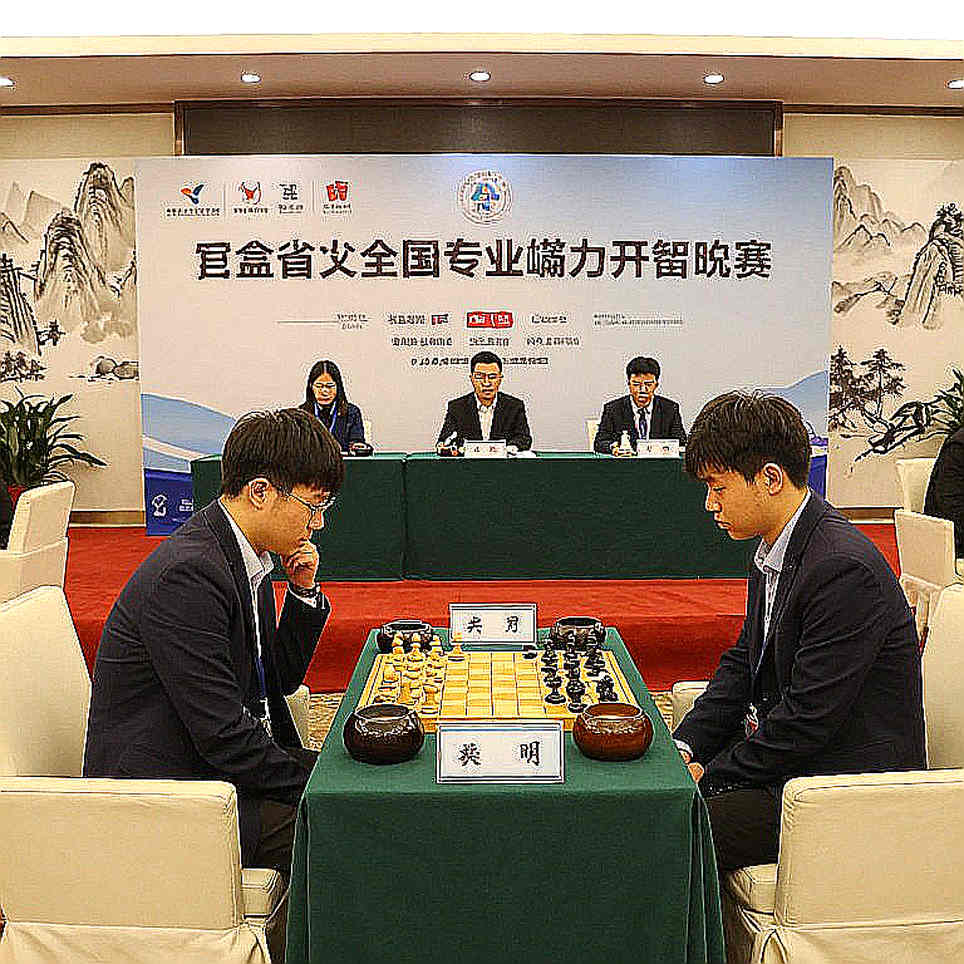
Bangladesh needs a verification calendar too, but not for a DVD. From 2026 to 2026 — sixteen years, five grandmasters, school chess shut down, Tk 11 lakh a year. The sixth grandmaster will not be solved by a sideline; he will be solved by reviving school chess, securing one corporate patron, and a home calendar of norm tournaments.
One board, one move, one title — the gap I am looking at today is not the DVD's. It is our own bookkeeping. In which year will the sixth grandmaster's name be written down, and is anyone writing the entry today?